For the Greek grandmother, making the best pastitsio is deeply personal. It is a recipe that demands time and mastery, passed down through generations, and it is never missing from Sunday or festive family tables, right alongside the souvla.
At Louis Hotels, we keep grandmother’s traditional Greek recipes alive and bring them straight to your plate.
Many subtle variations of the pastitsio recipe exist. In fact, every single time you taste it, it might be slightly different from the last, yet it remains just as delicious.
It is a dish defined by structural integrity and warm spices. A golden, cloud-like crown of egg-enriched béchamel sitting atop a deeply aromatic meat sauce, anchored by a foundation of long, hollow tubular pasta aligned like ancient marble columns.
When you cut a slice of pastitsio fresh out of the oven or, better yet, after it has rested just long enough for the layers to settle, it holds its shape on the plate like a work of art.
There are three layers of pastitsio. The bechamel cream. A velvet-smooth white sauce enriched with egg yolks, nutmeg, and a golden crust of aged Kefalotyri cheese.
The aromatic meat: Slow-simmered beef or pork, infused with sweet cinnamon, warm cloves, tomato, and red wine.
The pasta: Tubular bucatini (No. 2) tossed with egg whites and salty cheese, lined up to hold the weight above.
The Roots of a Modern Classic
While pastitsio feels like an ancient Mediterranean tradition, its modern form is actually a product of early 20th-century culinary diplomacy.
The name itself derives from the Italian pasticcio, a broad family of baked savory pies dating back to the Renaissance. But the dish as we know it today was refined in the 1920s by Nikolaos Tselementes, a French-trained Greek chef who sought to “Westernize” Greek home cooking. Tselementes introduced classic French technique—specifically the rich, egg-thickened béchamel—to elevate humble country ingredients into a centerpiece worthy of formal Sunday dinners and family name days.
The Secret is in the Spices
What immediately sets pastitsio apart from Italian pasta bakes is its distinct scent. Walk into a kitchen where a meat sauce for pastitsio is simmering, and the air smells less like an Italian trattoria and more like a warm Mediterranean spice market.
Cinnamon and Cloves: A pinch of ground cinnamon and a hint of clove give the tomato-braised ground beef or pork an unmistakable warmth. It isn’t sweet; instead, the spices deepen the meat’s savory, rich notes.
Graviera Cheese: Scattered throughout the layers and over the top, this sharp, salty sheep’s milk cheese adds a tangy punch that cuts right through the creaminess of the sauce.
Nutmeg: Freshly grated nutmeg stirred into the steaming béchamel brings a nutty, aromatic finish to the top layer.
You can find many recipes online if you want to try it at home. Let us warn you, though: no one can compete with the Greek grandmother’s secret recipe.

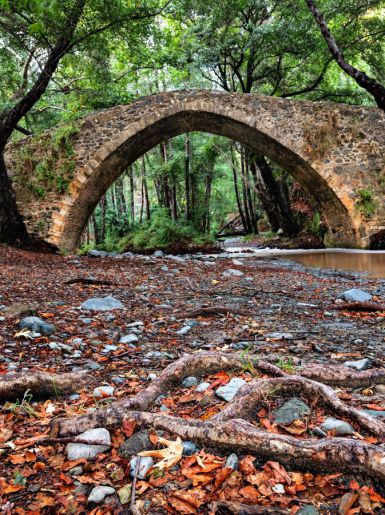





![Six destinations. Six distinct perspectives on summer.
From the crystal clear waters of Cyprus to the waterfront charm of Corfu, each destination reveals its own rhythm. Discover the sun-drenched shores of Crete, the Aegean light that defines Mykonos, the natural beauty of Zante, and the historic character of Rhodes.
A collection of places shaped by landscape, culture, and life by the water. Each with a story of its own.
Discover the destinations that define the Louis Hotels experience.
[Link in bio]
#LouisHotels #HereIBelong #Greece #Cyprus #ElegantCollection #FamilyCollection #VillaCollection #HospitalityLegacy](https://cdn.louishotels.com/wp-content/uploads/sb-instagram-feed-images/720057369_18586736539031638_1460731891263900684_nfull.webp)